Fixed income research: how credit quality shapes your bond risk
What credit quality means for fixed-income investors
When you buy a bond, you lend money to a government or a company. In return, they promise to pay you interest at a set rate and return your principal on a specific date. That promise is only as good as the borrower's ability to keep it. Credit quality is a measure of that ability. It tells you how likely the borrower is to make all payments on time and in full. For anyone putting money into bonds, understanding credit quality is central to fixed income research. It directly affects the risk you take and the yield you can expect.
How credit quality is measured
Credit quality is usually expressed through ratings assigned by independent agencies such as Moody's, Standard & Poor's, and Fitch. These ratings range from 'AAA' (the highest quality, very low default risk) to 'D' (in default). Bonds rated BBB- and above are considered investment grade. Those rated BB+ and below are called high-yield or junk bonds. The difference between these categories is not just a label. It reflects a real difference in financial strength, business stability, and the borrower's capacity to service debt.
Investment-grade bonds are issued by borrowers with strong balance sheets, consistent earnings, and manageable debt levels. They pay lower yields because investors accept a lower risk premium. High-yield bonds offer higher interest rates to compensate for the higher chance that the borrower might struggle to pay. Fixed income research involves looking at these ratings alongside other factors such as industry trends, cash flow, and debt levels to form your own view of creditworthiness.
Default risk: the most direct impact
Default risk is the risk that the bond issuer will fail to make interest payments or repay the principal. This is the most obvious way that credit quality affects fixed-income investments. A bond with poor credit quality has a higher probability of default. If a default occurs, investors may lose part or all of their capital. Even if the issuer eventually pays, the process can be lengthy and the recovery rate is often far below the bond's face value.
Credit ratings help you gauge this risk, but they are not infallible. Ratings can lag behind reality, and they sometimes miss emerging problems. That is why fixed income research should include your own analysis of the issuer's financial statements, debt structure, and competitive position. For individual bonds, you can look at metrics such as interest coverage ratio, debt-to-equity ratio, and free cash flow. For bond funds or ETFs, you can examine the credit quality distribution of the holdings to understand the overall default risk in the portfolio.

Tickspike Markets is also on YouTube.
Yield and the credit spread
Credit quality also influences the yield you receive. The difference between the yield on a corporate bond and a risk-free government bond of the same maturity is called the credit spread. This spread reflects the market's compensation for taking on default risk. When credit quality deteriorates, the spread widens, and existing bonds fall in price to bring their yield in line with new, riskier conditions. When credit quality improves, spreads narrow and bond prices rise.
For an investor, this means that credit quality affects not just the safety of your income stream, but also the market value of your bond holdings. A bond rated BBB that gets downgraded to BB (fallen angel status) can see its price drop sharply as it moves out of investment-grade indices. Many institutional investors are mandated to hold only investment-grade bonds, so forced selling can exacerbate the price decline. Fixed income research helps you anticipate such events by monitoring credit trends and ratings outlooks.
Interest-rate risk and credit quality interaction
Interest-rate risk is the risk that bond prices fall when market interest rates rise. This affects all bonds, but credit quality changes how sensitive a bond is to rate moves. Duration is the standard measure of interest-rate sensitivity. A bond with a longer duration will fall more in price when rates rise. But credit quality matters because high-yield bonds tend to have shorter durations than investment-grade bonds. Issuers of high-yield bonds often include call features or have shorter maturities to begin with, which reduces duration.
That said, high-yield bonds are more sensitive to economic cycles. In a recession, default risk rises sharply for low-quality issuers, and their prices can fall even if interest rates are stable. Investment-grade bonds, by contrast, are more driven by interest-rate movements and less by the issuer's financial health. Fixed income research involves weighing these two risks. You cannot look at yield alone; you must understand how credit quality and interest-rate risk interact under different economic scenarios.
Diversification across credit quality
One practical approach is to diversify across credit ratings. A portfolio that holds a mix of government bonds, high-quality corporate bonds, and a smaller allocation to high-yield bonds can balance risk and return. The high-yield portion boosts income, while the investment-grade and government bonds provide stability during downturns. The right mix depends on your risk tolerance, investment horizon, and income needs.
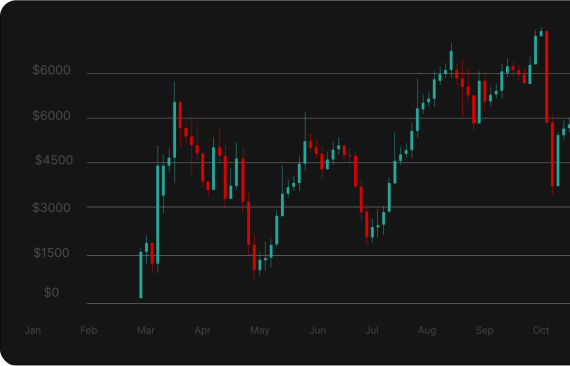
For those who prefer a hands-off approach, bond funds and ETFs offer instant diversification. But you still need to do your homework. A fund that labels itself as 'investment grade' may hold bonds at the lower end of that category, which carry more risk than you expect. Fixed income research tools can help you look under the hood. For example, Tickspike Markets provides bond research tools that support yield analysis, income strategy research, and portfolio diversification assessment. You can examine a fund's credit quality breakdown, duration, and historical performance to see if it matches your risk profile.
What to check before you buy
Before adding a bond or bond fund to your portfolio, consider these questions:
- What is the current credit rating, and what is the outlook from the rating agencies?
- How much of the issuer's revenue covers its interest payments?
- What is the bond's maturity date and duration?
- How does the yield compare to similar bonds in the same rating category?
These factors give you a clearer picture of the risk you are taking. Credit quality is not static. A bond that looks safe today could become speculative next year if the issuer's business deteriorates. Regular monitoring is part of sound fixed income research.
For investors who manage their own portfolios, platforms like Tickspike Markets offer screening and analysis tools that cover bonds, ETFs, and funds. You can filter by credit rating, yield, maturity, and other criteria to find bonds that fit your strategy. The platform also includes portfolio tools and watchlist functionality, so you can track changes in credit quality over time.
Credit quality is one of the most important lenses through which to view fixed-income risk. It affects how much income you earn, how much your bonds fluctuate in value, and how likely you are to get your money back. By incorporating credit analysis into your fixed income research, you can make more informed decisions and build a bond portfolio that aligns with your financial goals.
For further information, you can contact Tickspike Markets at 44/89 RAMANIKA, Thirupurakkal Colony, Melamuri, Palakkad, Keralam 678012, India, phone +91-7411498895.